Lambing Season: Essential Preparation and Management
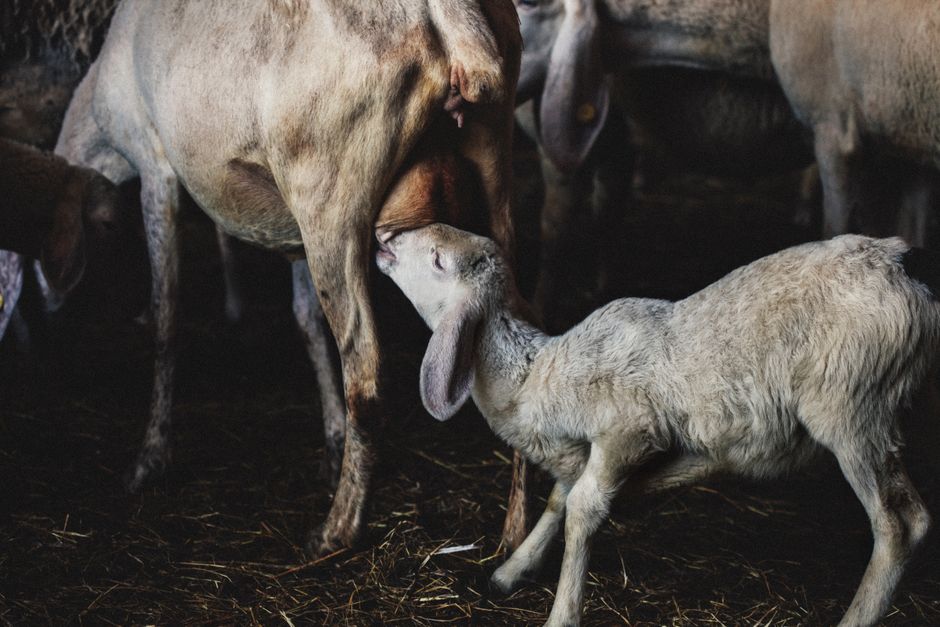
Lambing season represents the busiest, most rewarding, and occasionally most challenging time in sheep farming. Proper preparation determines outcomes for your ewes and lambs. Starting early makes the difference between smooth operations and stressful emergencies.
Facilities must be ready before ewes start lambing. Your lambing shed needs adequate space—roughly 20 square metres per ewe—with good ventilation, natural light, and dry bedding. Straw provides excellent bedding; avoid hay which sheep eat and contaminate. Divide the shed into pens allowing ewes privacy for lambing whilst enabling observation. Heat lamps help weak lambs, though hardy lambs born to well-fed ewes rarely need them.
Nutrition in the weeks before lambing critically affects outcomes. Ewes carrying twins need extra feed in late pregnancy—underfeeding causes complications and weak lambs. Increase concentrates gradually from 6-8 weeks before lambing. Provide good quality forage and ensure access to minerals, particularly calcium and magnesium. Well-nourished ewes lamb more easily and produce abundant milk.
Health preparation prevents serious problems. Vaccinate ewes against clostridial diseases before lambing; lambs receive passive immunity through colostrum. Treat for parasites approximately 2-3 weeks before lambing. Clean wool from udders and hind legs before the season starts—this improves lamb access to teats and reduces infection risks.
During lambing, observe ewes closely without excessive interference. Most sheep lamb naturally without help. However, recognise when assistance becomes necessary. Normal presentation shows two front feet and a nose appearing first. Anything else requires investigation. Have veterinary contact details readily available and don't hesitate calling if problems develop.
Immediately after birth, ensure lambs receive colostrum within hours. Colostrum provides crucial antibodies and energy. Weak lambs may need assistance feeding or bottle support. Monitor carefully during the first week—this is when mortality peaks, usually from starvation, hypothermia, or disease.
Common challenges include weak lambs, rejected lambs, and infections. Weak lambs benefit from warmth, colostrum, and possibly veterinary support. Rejected lambs sometimes accept fostering onto other ewes, or require bottle rearing. Navel ill and watery mouth represent serious infections—good hygiene and rapid treatment prevent losses.
Keep detailed records of births, weights, and any complications. This information helps you identify problem ewes and make breeding decisions. After lambing finishes, thoroughly clean and disinfect your shed before next year.