Getting Started with Sheep Farming on the Isle of Skye
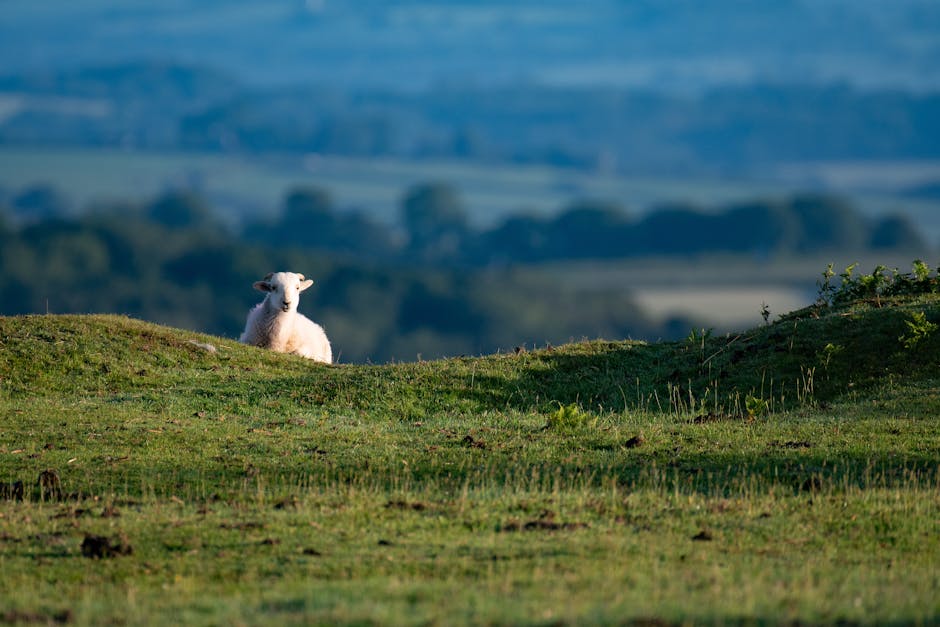
The Isle of Skye offers a stunning backdrop for sheep farming, with its rolling hills and established agricultural community. If you're considering starting a flock, understanding the fundamentals is essential to success.
Before acquiring any sheep, assess your land carefully. Skye's terrain varies significantly, from moorland to improved pasture. Most sheep thrive on well-drained ground with adequate grazing space. A general rule is allowing 4-6 sheep per acre, depending on grass quality and your management approach. Visit neighbouring farms to understand what breeds perform best locally.
Choosing the right breed matters enormously. For Skye's climate, consider hardy breeds like Scottish Blackface, Cheviot, or Texel sheep. These handle wet, windy conditions well and require less intensive management than softer breeds. Many local farmers maintain mixed flocks combining breeds for different purposes.
You'll need basic infrastructure before bringing sheep home. Secure fencing is non-negotiable—sheep are surprisingly good escapologists. Invest in sturdy field boundaries and plan shelter areas for harsh weather. A simple lambing shed becomes essential once your flock reaches breeding age.
Health and welfare form the foundation of responsible farming. Register with a local veterinary practice experienced with sheep. Understand common issues in Scottish farming, including foot rot, scab, and parasites. Budget for vaccinations, drenching, and regular health checks. Membership in a sheep farmers' association provides invaluable support and knowledge-sharing.
Consider your market before investing heavily. Are you breeding for meat, wool, or breeding stock? Skye's location offers both tourism opportunities and traditional agricultural markets. Some farmers successfully combine small-scale farming with hospitality, welcoming visitors interested in farm life.
Don't overlook the paperwork. Register your holding with DEFRA, understand subsidy schemes available to Scottish farmers, and maintain detailed records of health treatments and movements. This might seem bureaucratic, but it protects your business and animals.
Finally, connect with the local farming community. Skye has an active agricultural network where experienced farmers generously share knowledge. Attend local markets, join the local farmers' association, and don't hesitate to ask questions. Starting small with 10-20 sheep allows you to learn without overwhelming yourself, and you can expand gradually as confidence grows.